Dry Eye syndrome (DES) is a chronic condition that develops when your eyes do not produce and maintain enough tears to keep the eye’s surface lubricated. This results in varied symptoms for individuals. They can range from minor dryness, irritation, and discomfort to pain, blurred vision and frequent infections. At Armonk Vision Care, Dr. Adubor examines and performs tests to diagnose dry eye, and creates an effective treatment plan to resolve your symptoms.
Dry Eye and Aesthetics

What are the Causes of Dry Eye?
Age: Dry eyes can occur naturally as a result of aging or hormonal changes.
Gender: Women over 50 have a significantly higher risk of developing dry eye disease compared to men of the same age, with a 50% greater likelihood.
Medication can also result from taking certain medications that reduce tear production such as antihistamines, blood pressure medications, decongestants, birth control pills, and antidepressants.
Medical Conditions: Individuals that suffer from certain medical conditions such as diabetes, blepharitis, lupus, autoimmune diseases, arthritis and thyroid problems are more vulnerable to developing DED.
Environmental factors play a role in drying out the eyes and DED is common in areas where the climate is dry, dusty and windy. Exposure to air conditioners or heating systems can also lead to symptoms.
Environmental allergies: pollen, dust, mold, hay fever, animals
Screen Time: Excessive time spent staring at a computer or television screen can also dry out eyes and exacerbate symptoms due to the lack of blinking while staring at our screens.
Other Causes: Eye surgery including LASIK and Extended contact lens use.
What are the Symptoms of Dry Eye?
Dry eyes is a condition that develops when the amount of tears produced is not sufficient to maintain the moisture balance in your eye. Symptoms of dry eye syndrome can vary depending on the severity of the condition but can include:
-
Dry, itchy eyes
-
Scratchy, sandy, gritty feeling
-
Burning or stinging
-
Irritation
-
Watery eyes
-
Blurred or fluctuating vision
-
Discomfort, Pain, Soreness in/around eyes
-
Foreign body sensation
-
Increased contact lens discomfort
Diagnosis of Dry Eye
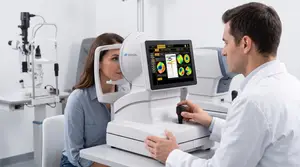
Your path to relief at Armonk Vision Care begins with a comprehensive eye exam and a description of your symptoms to Dr. Adubor. Using advanced technology, tests such as corneal topography, meibomian gland imaging, and tear meniscus analysis enable the doctor to have a clear diagnosis.
Treatment for Dry Eye
There are many treatment options for dry eyes. Dr. Adubor can determine the best course of action to alleviate and eliminate your symptoms. It’s also important to realize that this is a chronic disease that needs consistent treatment. Dr. Adubor will work with you to create a long term strategy to keep your eyes as comfortable as possible.
-
Artificial tears or lubricant eye drops
-
Eyelid Hygiene and Cleansing
-
Anti-Inflammatory Treatments
-
Punctal Plugs
- Intense Pulsed Light (IPL) Technology

Use code ARMONKVISION for a discount on your Dry Eye Rescue Purchase.
What is IPL for Dry Eye?
OptiLIGHT Intense Pulsed Light (IPL) Technology uses light energy applied to the skin around the eyes to reduce inflammation and abnormal blood vessels that contribute to dry eye. IPL is especially effective for inflammatory dry eye and patients with:
- Red, inflamed eyelids
- Rosacea-related dry eye
- Frequent styes or chalazia
Best for patients who:
- Have significant eyelid inflammation
- Have facial rosacea or redness
- Need inflammation control in addition to gland treatment
Advanced Treatment Options
The first and only FDA-approved light therapy specifically designed for dry eye management. This non-invasive treatment uses precise light pulses to reduce inflammation and improve meibomian gland function.
Experience a revolutionary approach to ocular rejuvenation and dry eye relief. OptiLIFT stimulates and restores the delicate structures around the eyes to enhance comfort and tear film stability.